Physical Address
304 North Cardinal St.
Dorchester Center, MA 02124
Physical Address
304 North Cardinal St.
Dorchester Center, MA 02124
Songwriter Savan Kotecha, who co-wrote Justin Bieber's 'Beauty and a Beat', recounts writing the track from Sweden, hearing Nicki Minaj's verse, and watching the song return to No. 1 globally after Bieber's Coachella set. He says streaming introduces catalog songs to new listeners.
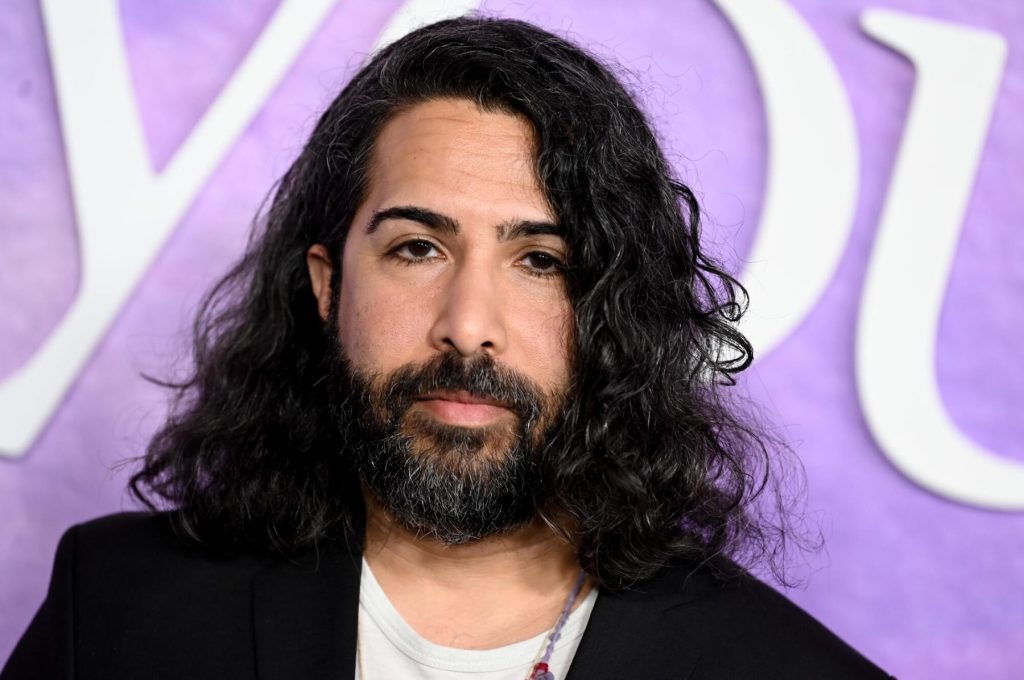
Savan Kotecha, who co-wrote Justin Bieber’s 2012 single ‘Beauty and a Beat’, said he did not meet Bieber during the song’s recording. The track re-entered global attention after Bieber used clips of his early hits during his Coachella headlining set and has since reached No. 1 on the Billboard Global 200 and Billboard Global Excl. U.S. charts.
Kotecha has written for a range of pop artists, including Britney Spears, One Direction, Lizzo and Katy Perry. He paused major songwriting duties to focus on family and returned to co-write recent hits, including Ed Sheeran’s ‘Azizam’ and Tate McRae’s ‘It’s OK I’m OK’ in 2025.
On the origin of ‘Beauty and a Beat’, Kotecha said he worked on the song from Sweden while Max Martin handled sessions in Los Angeles. He recalled getting a note from Martin and writing on his bed in Stockholm. The recording arrived later. Scooter Braun then showed him the music video at Braun’s West Hollywood office.
“I didn’t even meet him during ‘Beauty and a Beat,'” Kotecha said. “I was in Sweden when [Justin] was in L.A. recording it.”
Kotecha flagged Nicki Minaj’s contribution as a turning point. He remembered hearing her verse and the reference to Selena. He called her appearance unexpected for a pop team at the time and said it raised the song’s profile.
He described the routine of waiting for recordings in that period. Some sessions he attended. Others he heard the next morning. He cited other projects, like Usher’s ‘DJ Got Us Falling in Love’ and the addition of Pitbull, as moments when the final recordings felt revelatory.
Kotecha was not at Coachella. He said he learned the song was on the setlist through social clips on his phone. He watched the clips, then tracked the chart movement. He messaged Martin as the song climbed to No. 3 globally and then No. 1.
“Like millions of people addicted to their phones, I wake up and the first thing I do is doom scroll,” he said. “I woke up and I remember seeing clips of it. I was like, ‘Oh, that’s fun.'”
He noted that his children in Sweden treat the track as new. They and their friends have been streaming it without the context of its original release. Kotecha used that observation to describe how streaming can introduce older catalog tracks to new listeners.
“My kids weren’t alive when that song came out, so they think it’s a new song,” he said.
On the broader effect of streaming, Kotecha said availability flattens eras. If listeners find a song they consider great, they return to it regardless of age. He gave a brief anecdote about his son discovering older hip-hop records in school as an example.
When asked which of his other songs he would like to see resurge, Kotecha named Ariana Grande’s ‘One Last Time’ and One Direction’s ‘What Makes You Beautiful’. He said those tracks hold personal significance.
Catalog momentum has returned ‘Beauty and a Beat’ to the top of global charts 14 years after its first release. Kotecha framed the comeback as proof that songs can find new audiences through current platforms.