Physical Address
304 North Cardinal St.
Dorchester Center, MA 02124
Physical Address
304 North Cardinal St.
Dorchester Center, MA 02124
Maryland Gov. Wes Moore signed the PACE Act, limiting when prosecutors can use rap lyrics as evidence in criminal cases.
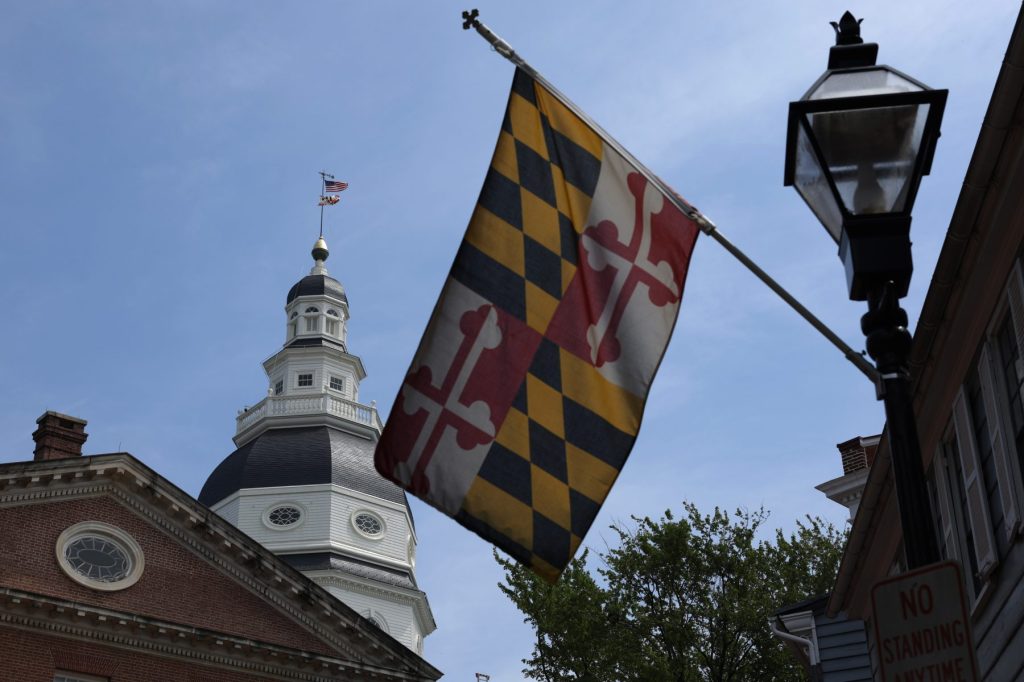
Maryland Gov. Wes Moore signed a new law Tuesday, May 12, that limits when prosecutors can use rap lyrics in criminal cases. The measure, known as the Protecting Artists’ Creative Expression Act, or PACE Act, is the latest state-level effort to curb a practice critics say has long distorted trials and penalized creative speech.
At a signing ceremony in Annapolis, Moore approved the bill after it passed last month. The law allows prosecutors to use rap lyrics and other forms of creative expression as evidence only in narrow circumstances. It does not ban them outright, but it does make their admission harder.
Moore said hip-hop lyrics have been cited in court more than 800 times, while songs from every other genre combined have been used by prosecutors just four times. “This is not a coincidence. This is bias,” he said. “In Maryland, that ends today.”
For years, prosecutors have used rap lyrics in cases involving both major artists and lesser-known rappers. Recent indictments involving Young Thug and Lil Durk included quoted lyrics, continuing a pattern that has drawn growing scrutiny from artists, lawyers and music industry executives.
The push to rein in the practice has become more organized in recent years under the broader fight often referred to as “rap on trial.” California passed the first law of its kind in 2022, followed by Louisiana in 2023. followed by Louisiana Maryland is now the third state to adopt such legislation, with similar proposals now aimed at New York, Georgia and Missouri.
“Today, Maryland makes history and sends a message that our creativity is not a confession, and our imagination does not belong in an indictment,” Kevin Liles, CEO of Warner Music Group’s 300 Entertainment and a longtime advocate on the issue, said in a statement Tuesday.
Harvey Mason jr., chief executive of the Recording Academy, said in the same statement: “Lyrics are a powerful tool for personal expression, not a shortcut to criminalization.” He added that the new law “helps establish important guardrails” so artists’ work is not unfairly used against them.
The Maryland law mirrors similar measures elsewhere. It does not prevent prosecutors from introducing lyrics when they are clearly relevant. Instead, it requires them to show by a preponderance of evidence that the material is worth admitting. Before jurors can hear or see the lyrics, judges must determine that the artist meant them as literal statements, that they relate to the facts of the case, and that they are relevant to a disputed fact at trial.