Physical Address
304 North Cardinal St.
Dorchester Center, MA 02124
Physical Address
304 North Cardinal St.
Dorchester Center, MA 02124
Janet Jackson’s 60 best songs, from Control to Unbreakable, as chosen by staff for her 60th birthday.

Janet Jackson has spent four decades building one of pop and R&B’s most durable catalogs. Since Control broke her out 40 years ago, she has logged 10 No. 1 hits on the Billboard Hot 100 and 27 top 10s, with a run of chart dominance that stretched across 15 years. The singles tell only part of the story. Across her albums, Jackson has also left behind deep cuts and remixes that widened the reach of her best work.
To mark her upcoming 60th birthday on May 16, our staff picked Janet Jackson’s 60 best songs. The list ranges from her earliest work with Jimmy Jam and Terry Lewis to Unbreakable, the 2015 album that reminded listeners she could still sound current without chasing trends. Find a selection of her biggest Hot 100 hits here, and more Janet Jackson coverage all week on Billboard.com.
“Son of a Gun (Betcha Think This Song Is About You)” from All for You (2001) leans hard on Carly Simon’s “You’re So Vain,” including new spoken-word passages from Simon. Janet pushes the diss record further with sharper lines and a fast, hip-hop-driven chorus. – KATIE ATKINSON

“Rope Burn” from The Velvet Rope (1997) became one of the songs tied to Jackson’s onstage fan interactions, including the well-known moment when she brought a fan up and staged a performance around them. The lyric is less about kink than trust, though the title does plenty of work on its own. — ANGEL DIAZ
“You Need Me”, the B-side to “Miss You Much” (1989), turns personal family conflict into a pointed message to Joe Jackson. Janet sings about distance, childhood, and wanting him to admit the power had shifted. — CHRISTINE WERTHMAN
“Unbreakable”, the title track from Unbreakable (2015), uses a soft vocal before moving into a syncopated mid-tempo R&B-pop groove. The song also marked Janet’s reunion with Jimmy Jam & Terry Lewis, helping deliver her seventh No. 1 Billboard 200 album and her first release on Rhythm Nation. — GAIL MITCHELL
“Because of Love” from janet. (1993) sits in the middle of a transition. Its breezy vocals and old-school phrasing nod to earlier pop, while the beat and Minneapolis funk point to the way hip-hop would reshape pop and R&B. — JOE LYNCH
“This Body” from 20 Y.O. (2006) comes with an acid-funk edge and a direct response to the scrutiny Janet faced in the mid-2000s, including criticism over her weight and the fallout from the 2004 Super Bowl performance with Justin Timberlake. Co-produced with Jermaine Dupri and Jimmy Jam & Terry Lewis, it frames her image on her own terms. — REBECCA MILZOFF

“Come Back to Me” from Rhythm Nation 1814 (1989) is one of her gentler ballads, built with an extended intro and strings Janet herself suggested. It remains her only single to reach No. 1 on Billboard’s Adult Contemporary chart, and she also recorded it in Spanish as “Vuelve a mí.” – PAUL GREIN
“SloLove” from Damita Jo (2004) sits deep in the track list, but it holds its own as a clean, centered dance track. Over a house-leaning beat, Jackson keeps the mood controlled and direct. — GLENN ROWLEY
“70’s Love Groove”, the B-side to “You Want This” (1994), stretches patience into tension. It leans into the slow build, with Jam and Lewis changing keys as the track develops. — ANDREW UNTERBERGER
“Damita Jo” from Damita Jo (2004) introduces the alter ego that shares Jackson’s middle name. The track pairs hip-hop funk with blunt, self-possessed writing that fits the album’s larger framing. — G.M.
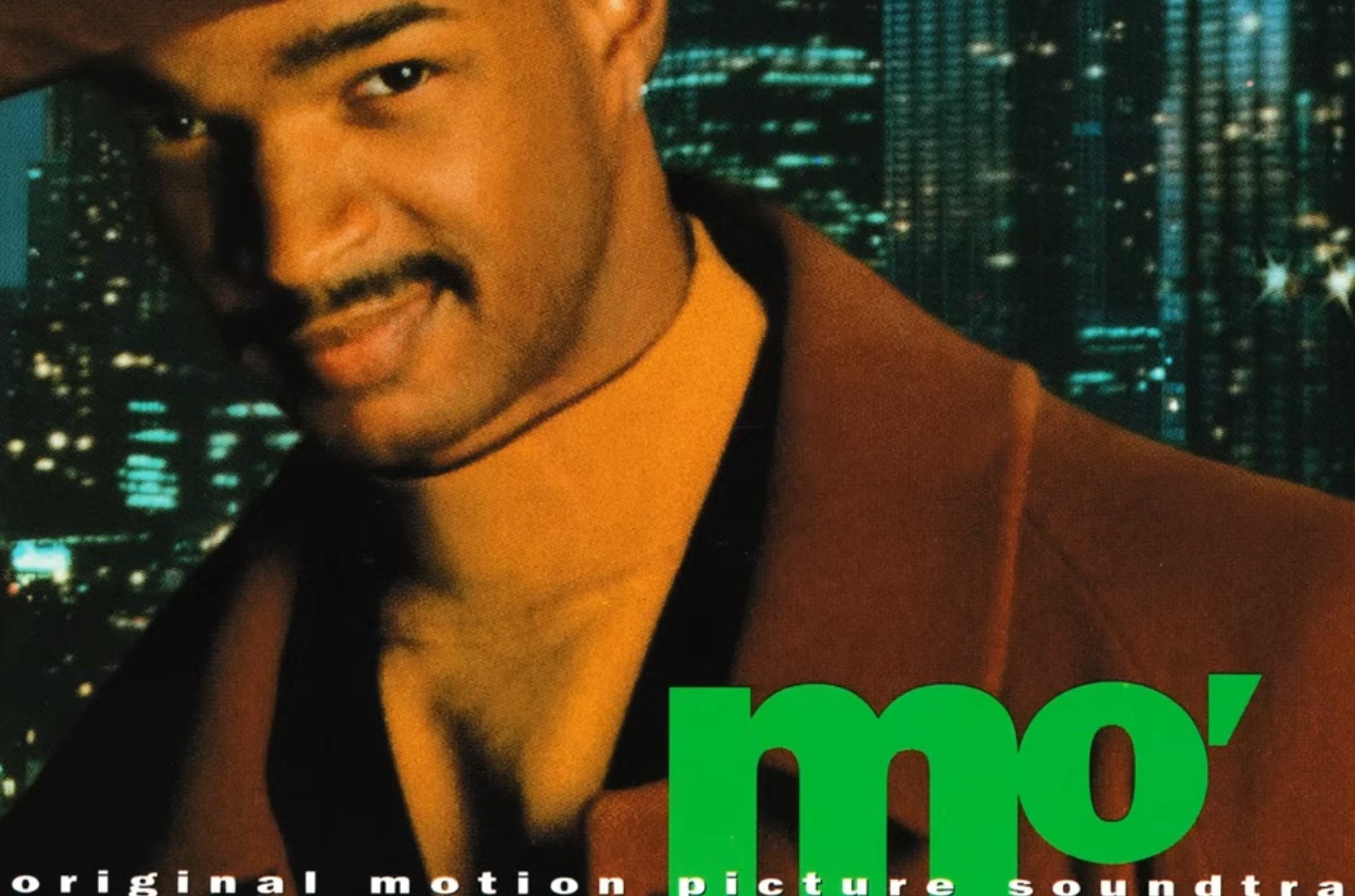
“The Best Things in Life Are Free”, with Luther Vandross, Bell Biv DeVoe and Ralph Tresvant, earned a Grammy nomination for best R&B performance by a duo or group with vocals. The soundtrack version used on Mo’ Money added a new jack swing feel and sampled George McCrae’s 1975 hit “I Get Lifted.” – P.G.
“One More Chance”, originally a Jacksons song written by Randy Jackson, reappeared as the B-side to “If” in 1993. Jimmy Jam and Terry Lewis stripped away some of its earlier ’80s feel, and it briefly found radio play before the album’s release. — A.D.
“State of the World” from Rhythm Nation 1814 opens with a collage of TV snippets, ads and news reports before moving into a beat built for the dancefloor. The song addresses homelessness, poverty and drugs without losing its momentum. — J.L.
“Feedback” from Discipline (2008) was produced by D’Mile, long before his later awards-season run. The lead single folds electro-pop into Jackson’s ongoing interest in sexual control and late-career reinvention. The source text cuts off mid-quote after the bridge, but the song remains one of the album’s most overtly stylized entries.